

The TCT ASIA 2026 event came to a close. TSC & LiM Laser showcased their automated production line solutions and a series of innovative achievements in a grand manner, bringing together global professional visitors to jointly focus on the new vision of intelligent and large-scale development of metal additive manufacturing.
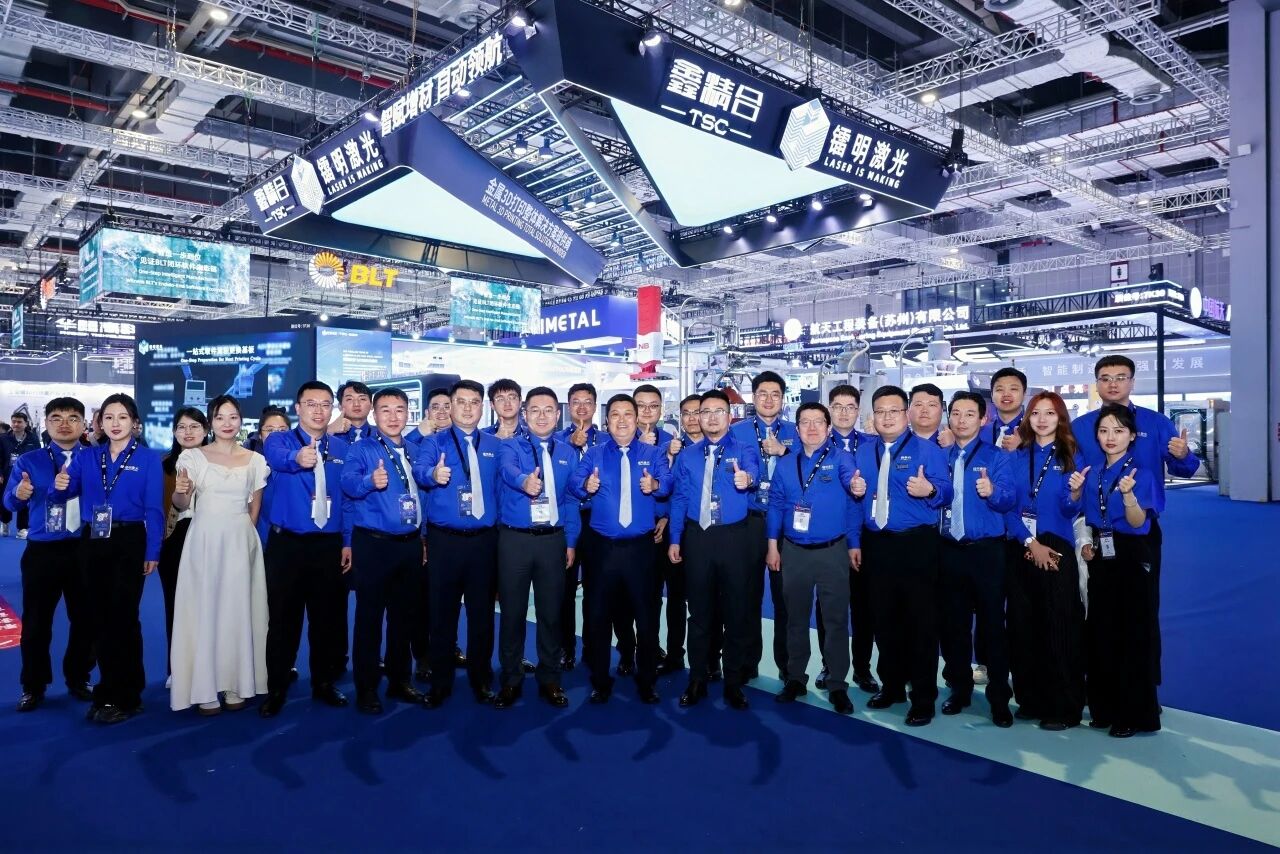
Although metal additive manufacturing has broken through the limitations of traditional processing and achieved efficient production of complex structures and customized components, it is difficult to meet the requirements of industrial large-scale production. To address this challenge, LiM Laser introduced automation technology to solve the development predicament and announced the metal additive manufacturing automation production line solution at the TCT event.
By using a deeply customized SLM-specific AGV, the processes of printing, cleaning powder, picking up items, and storing can be automated, solving the problem of low efficiency and potential safety hazards in manual transportation of heavy components such as equipment forming cylinders, substrates, and powder buckets. Relying on a large-stroke, high-stiffness, high-precision, and highly flexible gantry robot, the printing equipment and post-processing equipment can be connected to achieve automated loading and unloading and component transportation, and the entire process can be completed with the MES system, significantly improving production efficiency and product yield.
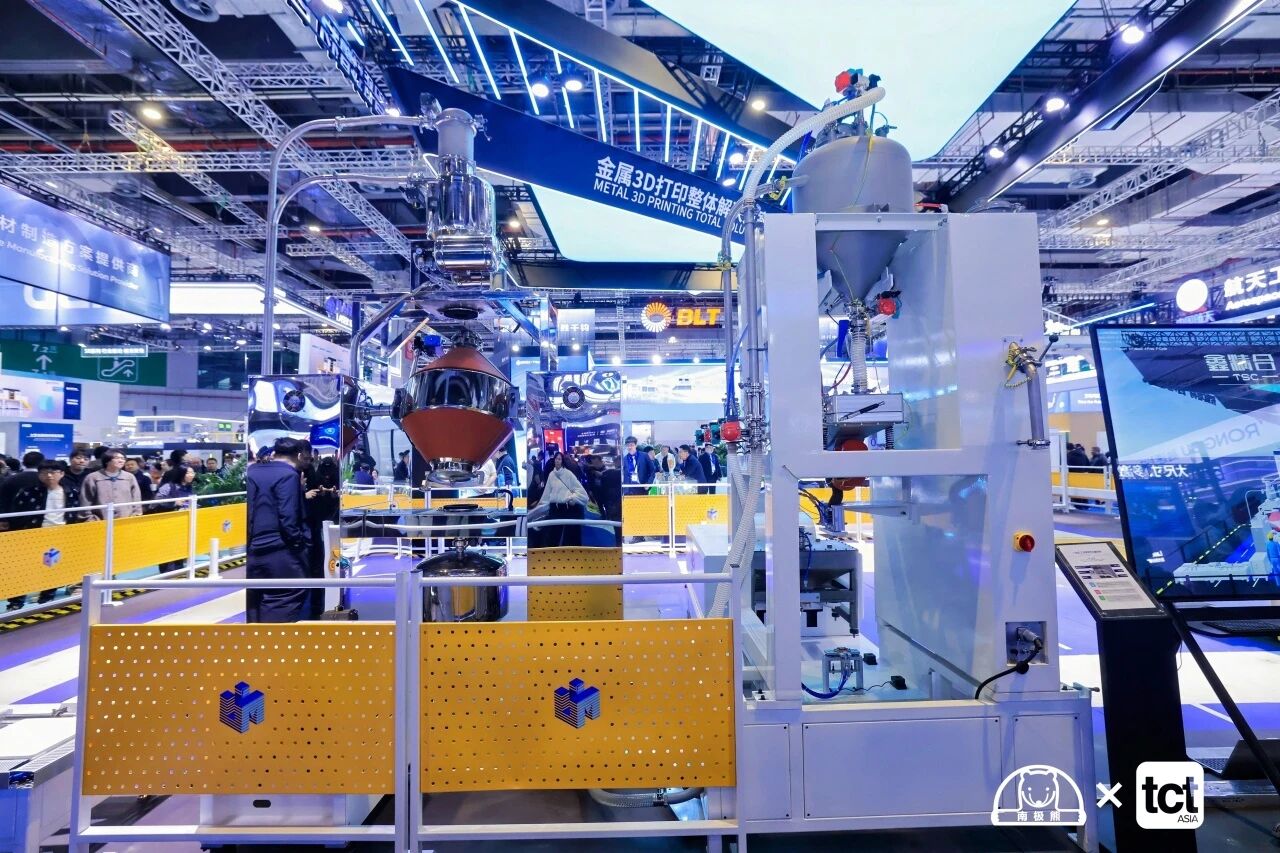
The powder circulation system provided as a supporting solution can realize automatic powder recovery, screening, and supply under inert gas protection; it can communicate with the equipment mainframe to monitor the status of overflow powder buckets and storage powder buckets in real time, and automatically complete powder recovery and supply, achieving a fully enclosed closed-loop management of powder circulation. The highly automated powder circulation system effectively reduces manual intervention and significantly improves equipment utilization and production safety.
LiM Laser Automation Production Line Solution not only retains the core advantages of "customization and high precision" of metal additive manufacturing, but also fulfills the strict requirements of industrial production for "efficiency, stability, and controllability", promoting metal additive manufacturing from "small-batch customization" to "mass production".
The multi-modal beam shaping technology of LiM Laser enables intelligent control of beam shape, with Gaussian light and ring-shaped light switching flexibly, and precise control of energy distribution. Users can independently choose the suitable light spot shape according to different printing requirements and material characteristics; it breaks the limitation of traditional equipment that can only use a single light spot shape, achieving "on-demand light adjustment" flexible production, and giving the printing strategy unprecedented flexibility.
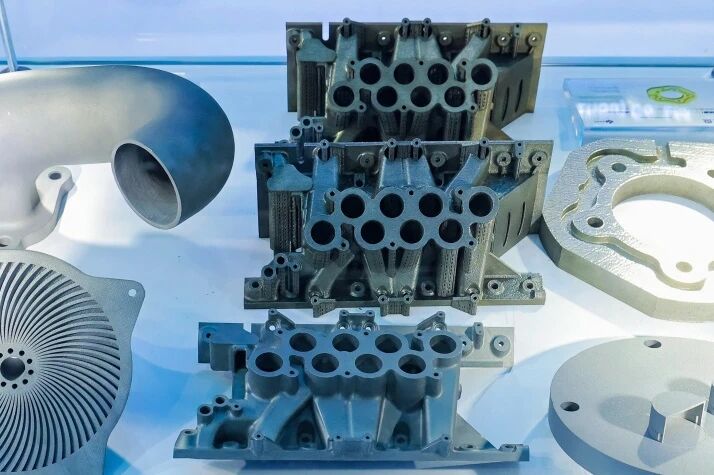
Take the intake manifold on display as an example. It takes 24.5 hours to print with a Gaussian light layer thickness of 60 μm, while with a circular light spot of 100 μm and a larger layer thickness, it only takes 17 hours to form, achieving a 30% efficiency improvement. At the same time, it effectively reduces material splashing, and the finished product has excellent internal quality.
Furthermore, the flange disc on display was printed using beam shaping technology for flat-top light zone division printing. The entity and outline were formed with different layer thicknesses, and the printing efficiency increased by more than 90%.
LiM Laser Fine Structure Printing Solution can directly form complex and precise components. The surface roughness of the printed product is ≤ Ra 3.2 μm, and the printing accuracy is within ± 0.05 mm. The details are clear, the structure is complete, and the surface quality is excellent. It not only avoids the size error caused by post-processing but also significantly shortens the manufacturing cycle.
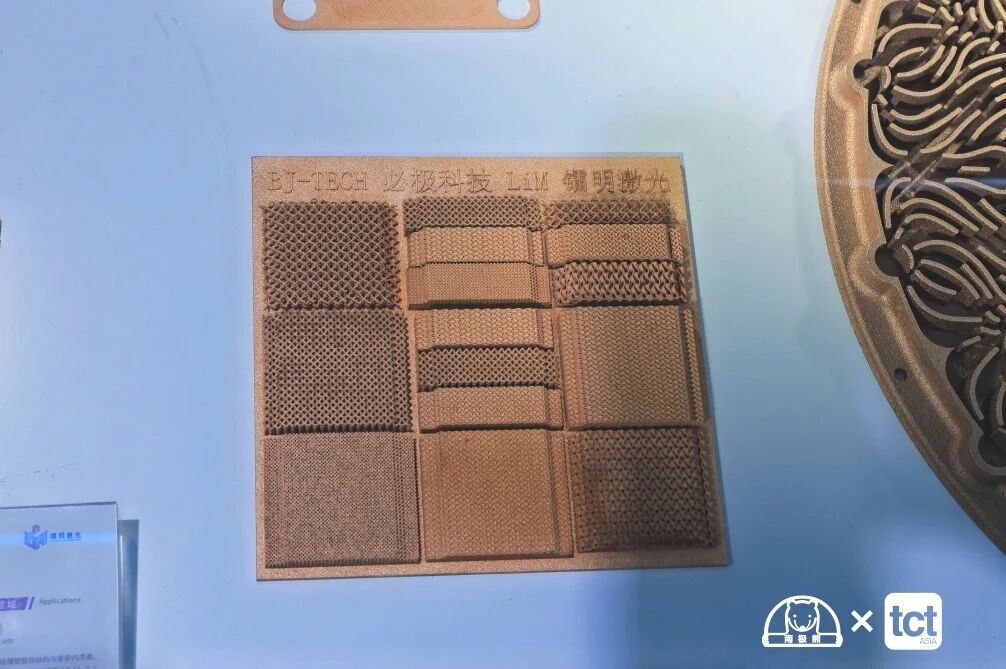
The micro-channel lattice structure on display is formed from pure copper material, featuring outstanding electrical and thermal conductivity, strong corrosion resistance, and the advantages of efficient heat dissipation and lightweight; the structure is precise, and it is printed using green laser technology, with controllable unit density, shape and size, and excellent product quality.
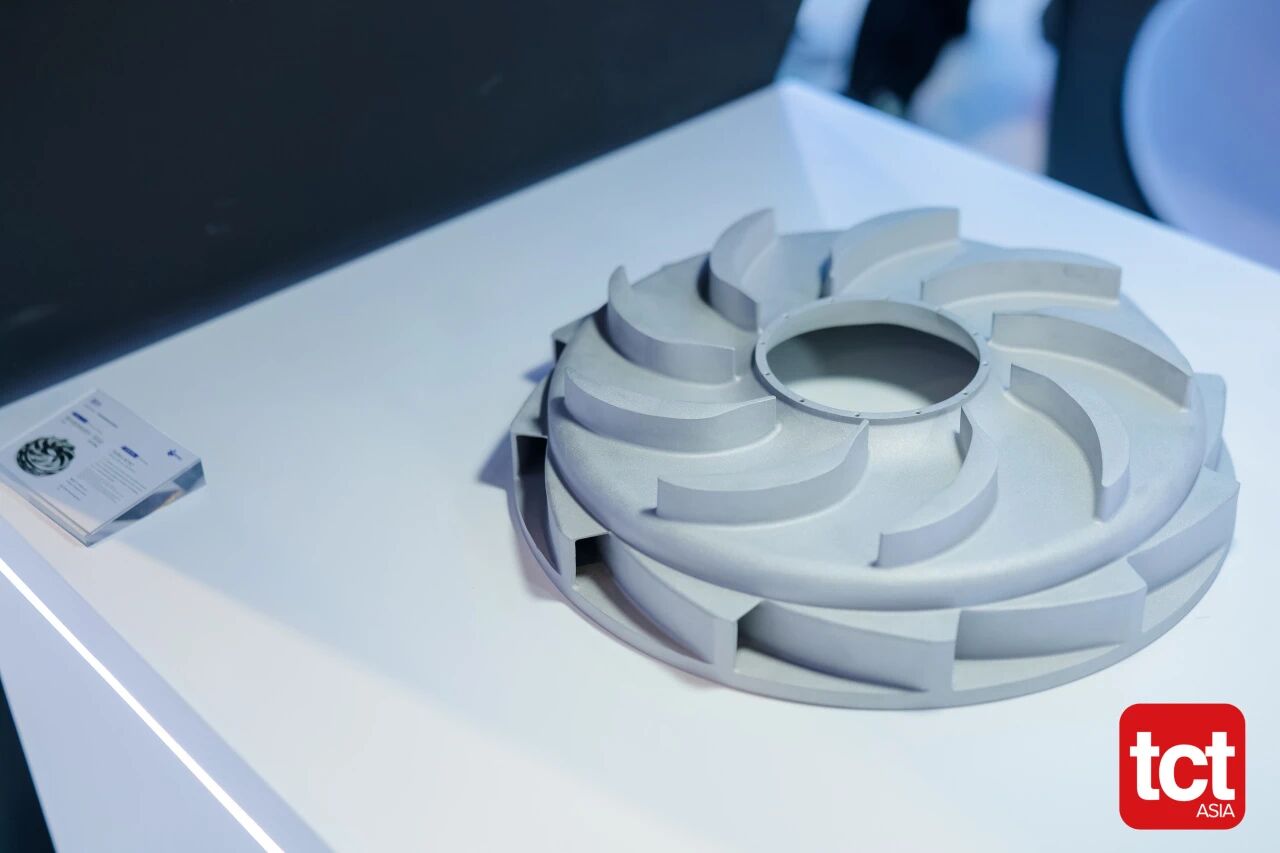
In the field of low-altitude aircraft, the aluminum alloy guide vanes printed by Rayming Laser demonstrate the advantages of metal additive manufacturing. By taking advantage of the natural low density of aluminum alloy, through adjusting process parameters, it can achieve higher strength than traditional aluminum materials; relying on the advantages of high design freedom in additive manufacturing, weight reduction effects can be achieved, helping to significantly improve the lightweighting of the power system.
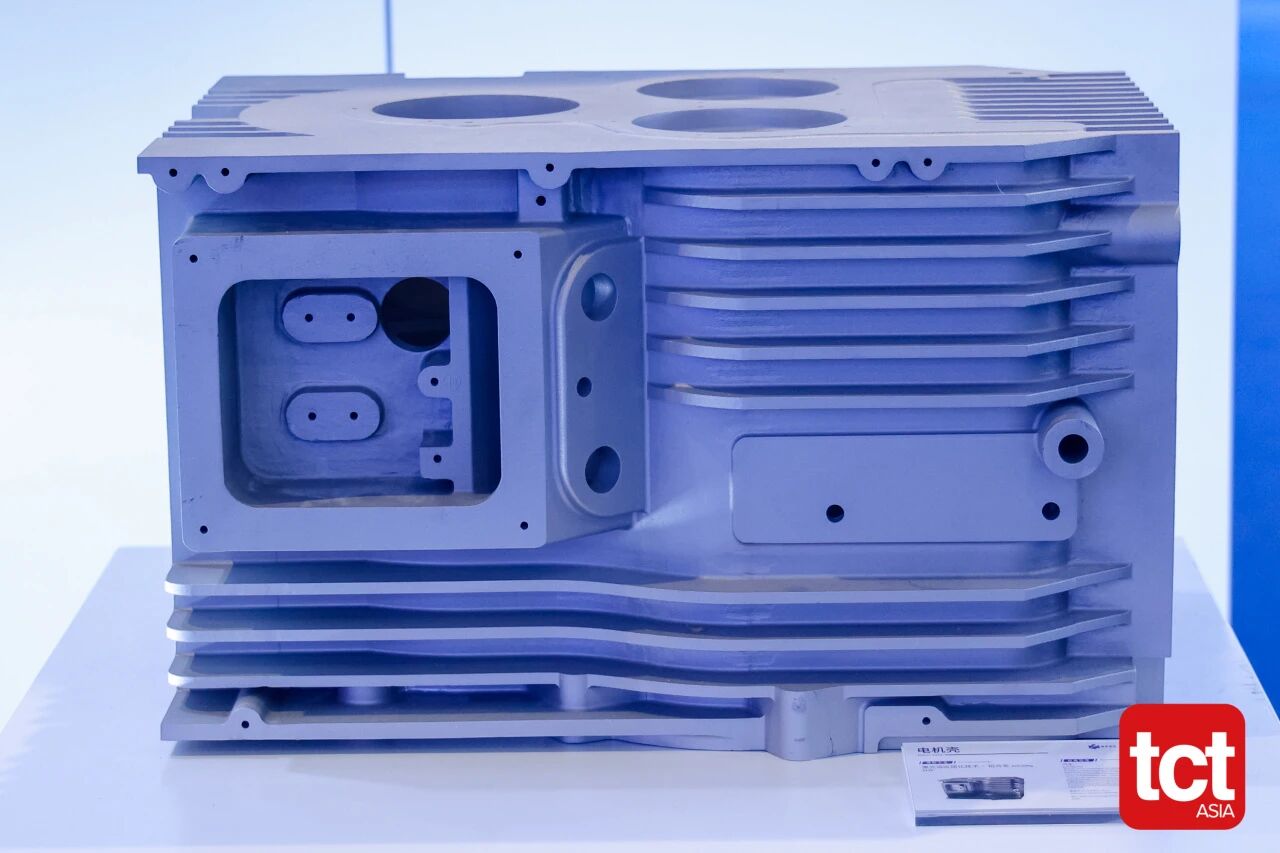
In the automotive manufacturing field, the complex structural components on display, especially the motor housing, demonstrate the technical advantages of metal 3D printing. As an important component of the motor, the motor housing needs to have good heat dissipation performance and high strength and rigidity. Traditional stamping or forging processes not only consume a large amount of raw materials and energy, but also have difficulty in manufacturing complex structures. Using metal 3D printing for integrated forming can save time costs while meeting the performance requirements of the motor; relying on the high design freedom of metal 3D printing, different structures can be designed according to the application scenarios of the motor, and the motor housing with special structures such as internal cooling channels and complex geometries can be directly formed without mold opening, improving the heat dissipation performance and reliability of the motor.
In the consumer electronics field, multiple 3C industry batch production components were displayed, including mobile phone hinges, watch frames, and watch bands.
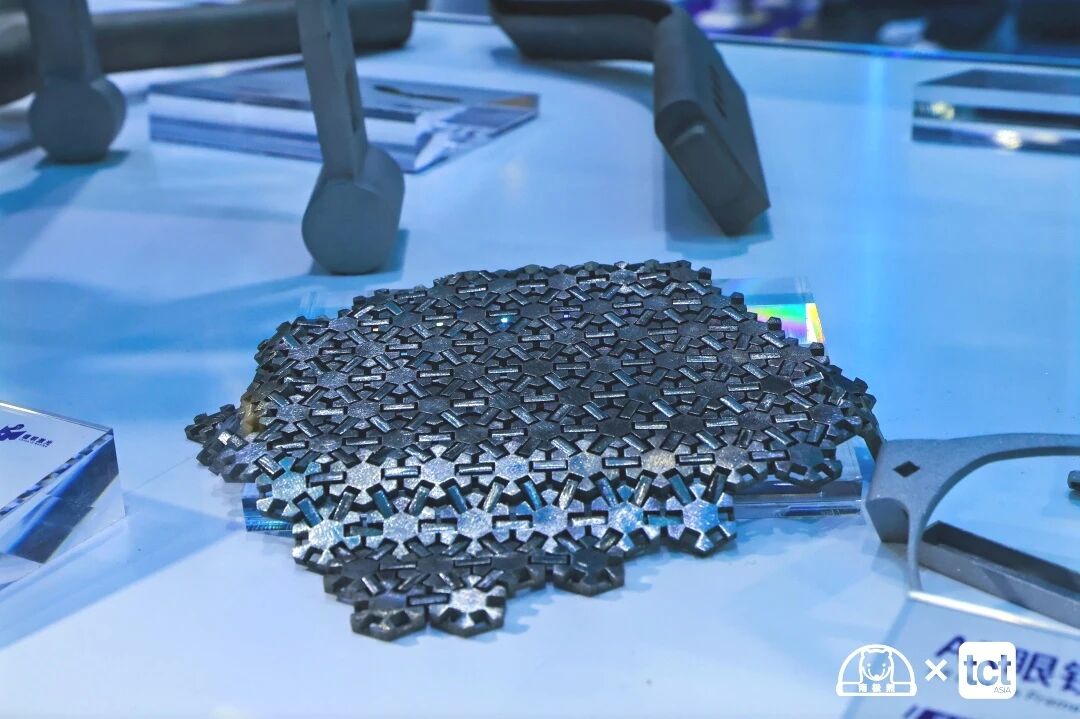
In particular, the metal 3D printed titanium alloy watch band on display is integrated and has good flexibility. Compared with conventional assembled and spliced metal watch bands, it can significantly shorten the forming cycle while having the characteristics of light weight and high strength.
During the exhibition, LiM Laser received professional visitors from all over the world, engaging in in-depth exchanges on topics such as equipment selection, material application, and process optimization. In the future, LiM Laser will continue to deeply explore the innovative path of integrating metal 3D printing technology and automation, deeply develop application scenarios in various fields, and work with partners to build a more complete high-end manufacturing ecosystem, contributing more to promoting the intelligent transformation of the manufacturing industry.
