

Today, as the wave of intelligent manufacturing sweeps the world, metal 3D printing technology is reshaping the manufacturing landscape with its unique advantages and is shouldering the responsibility of trial production and mass production of key components in high-end manufacturing fields such as aerospace, energy and power, and automotive manufacturing. Such components usually feature large dimensions, complex structures, and high precision requirements. At the same time, they have long forming cycles and high manufacturing costs. Therefore, quality control during the printing process is particularly important.
Based on its profound experience in equipment research and development and practical application, TSC has innovatively launched the powder bed monitoring system and the molten pool monitoring system. The two systems work in synergy to conduct quality monitoring, intervention and traceability through intelligent means, providing full-process and high-precision quality assurance for metal 3D printing, effectively improving production efficiency and reducing production costs.
Powder bed monitoring system: Strictly control the first step of printing
The powder spreading stage is an important foundation of the metal 3D printing process, and its quality directly determines the quality, performance and success rate of the printed workpiece. However, during the continuous printing process, situations such as powder dropping/accumulation, insufficient powder spreading, part lifting, and powder bed scraping are prone to occur, resulting in defects such as incomplete fusion of parts, excessive remelting, collision between parts and the scraper, and sintering black spots. In severe cases, it may even lead to printing interruption and affect the printing effect.
In response to the defects in the powder spreading process, TSC has launched a powder bed monitoring system that conforms to the detection logic of production scenarios. It relies on visual inspection technology to achieve full-time detection of powder spreading quality and automatically replenish powder and issue automatic alarms for abnormal powder spreading.
The system is equipped with a built-in high-definition camera. After each powder spreading and melting process, professional equipment quickly takes photos of the powder bed. The system rapidly inspects tens of thousands of layers of defects during the printing process, and the detection process has no impact on the printing speed.
Through algorithm analysis and comparison, the information on powder spreading status and printing area is obtained and fed back in real time. At the same time, the detection threshold is adjusted to set the warning/shutdown area and the number of defects. The system automatically marks the defects and triggers the intelligent processing plan for targeted handling.

The number of skipped layers for system detection can be set independently to prevent the powder from not completely covering the substrate surface and affecting the detection results. Set the detection, early warning and shutdown parameters. When the defect exceeds the alarm value, the shutdown will be triggered. If not exceeded, the location and type of the defect will be marked and a warning will be provided.
After each layer of powder is spread during printing and after scanning, the detection results and original images are retained. They can be quickly searched within the system: the defect types in the pictures are prompted and marked, and the pictures can be enlarged to observe the details. Different types of defects are marked separately and can be retrieved by time, enabling the traceability of the powder coating status of each layer of the parts.
The powder bed monitoring system is not only capable of performing single powder spreading quality monitoring, but also can intelligently replenish powder and issue alarms when abnormal powder spreading is detected, ensuring the uniformity and stability of powder spreading during the printing process and further improving the forming quality of parts.
Molten pool monitoring System: A "Black Box" for Quality Traceability
In response to printing defects such as splashing, spheroidization, porosity, poor surface quality, cracks, and geometric deformation during the printing process, TSC adopts a molten pool monitoring system for real-time monitoring, providing a strong guarantee for the high-quality printing and forming of the equipment.
The molten pool monitoring system is mainly used for real-time monitoring, analysis and evaluation of the molten pool information of laser selective melting equipment. It is also an important resource for process development, quality traceability and defect analysis.
The molten pool monitoring system uses coaxial sensors to monitor the molten pool status data in real time during the printing process. It diagnoses the process status of the printing process in real time and displays the abnormal areas of the printed components through reference values and adaptive algorithms, thereby achieving defect detection and quality traceability in the printing process.
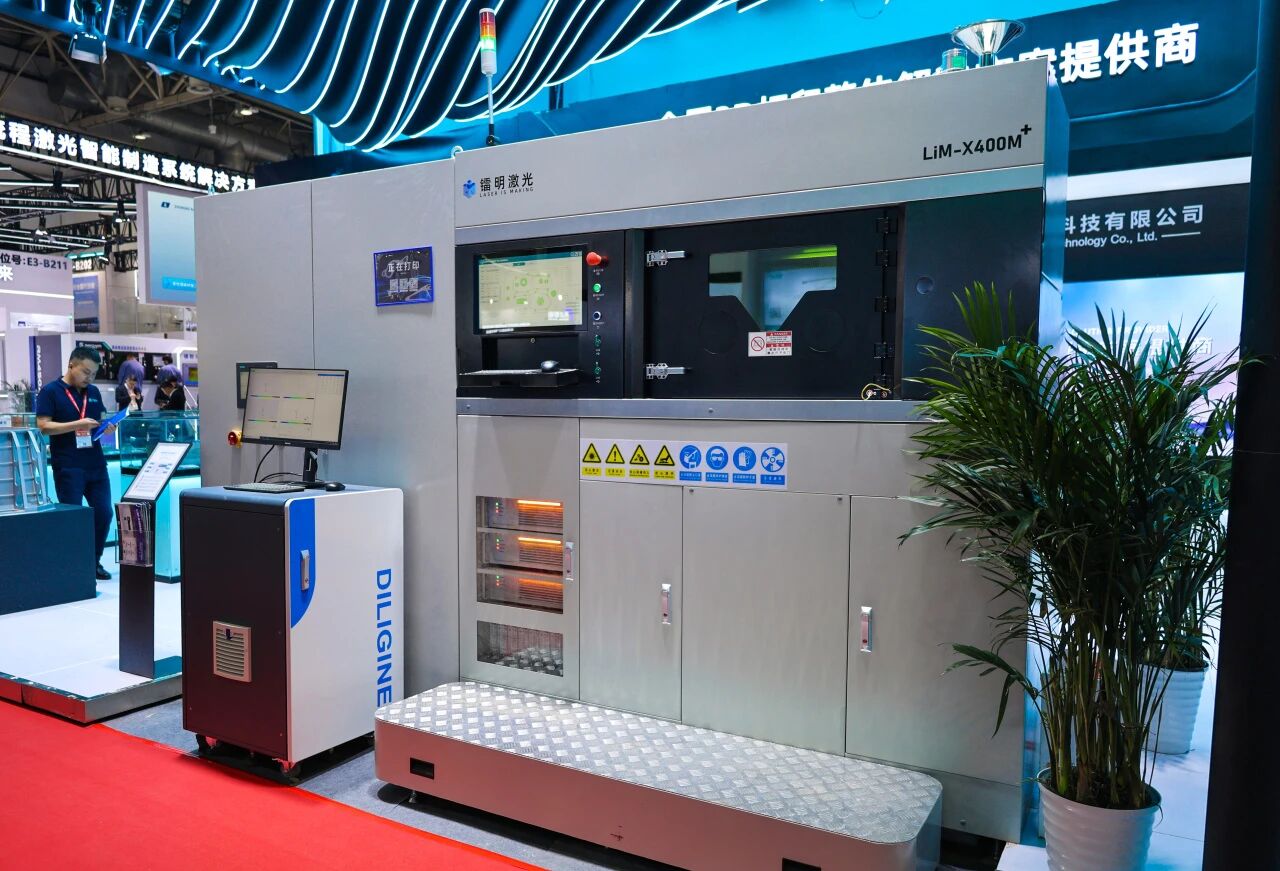
The LiM-X400M+ device equipped with a molten pool monitoring system
This system has three core functions:
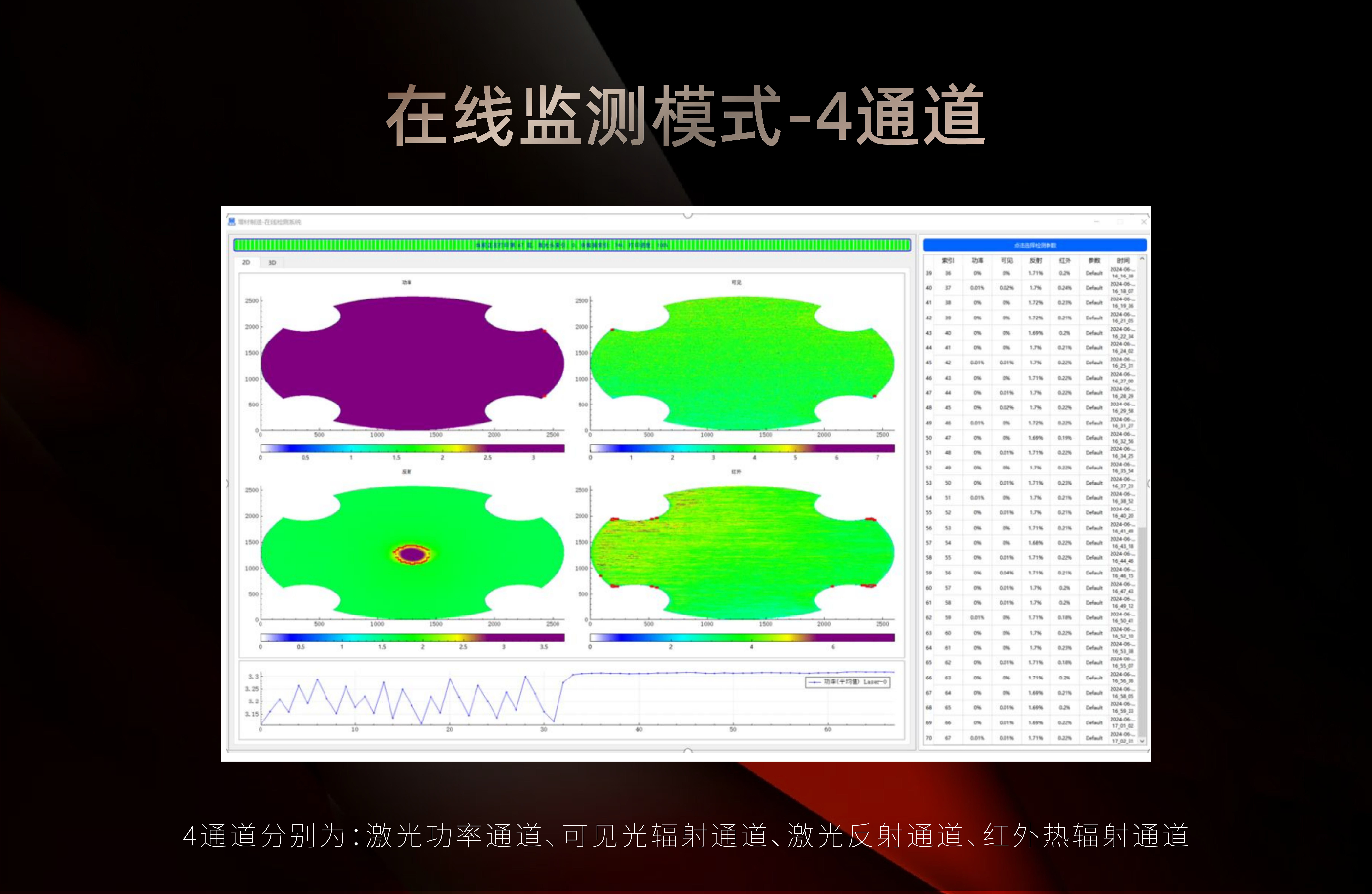
Real-time monitoring: During the printing process, the laser energy, reflected laser energy, metal vapor and the light radiation of the molten pool can be monitored in real time. The real-time status data of the molten pool can be captured and displayed through 2D and 3D interfaces.
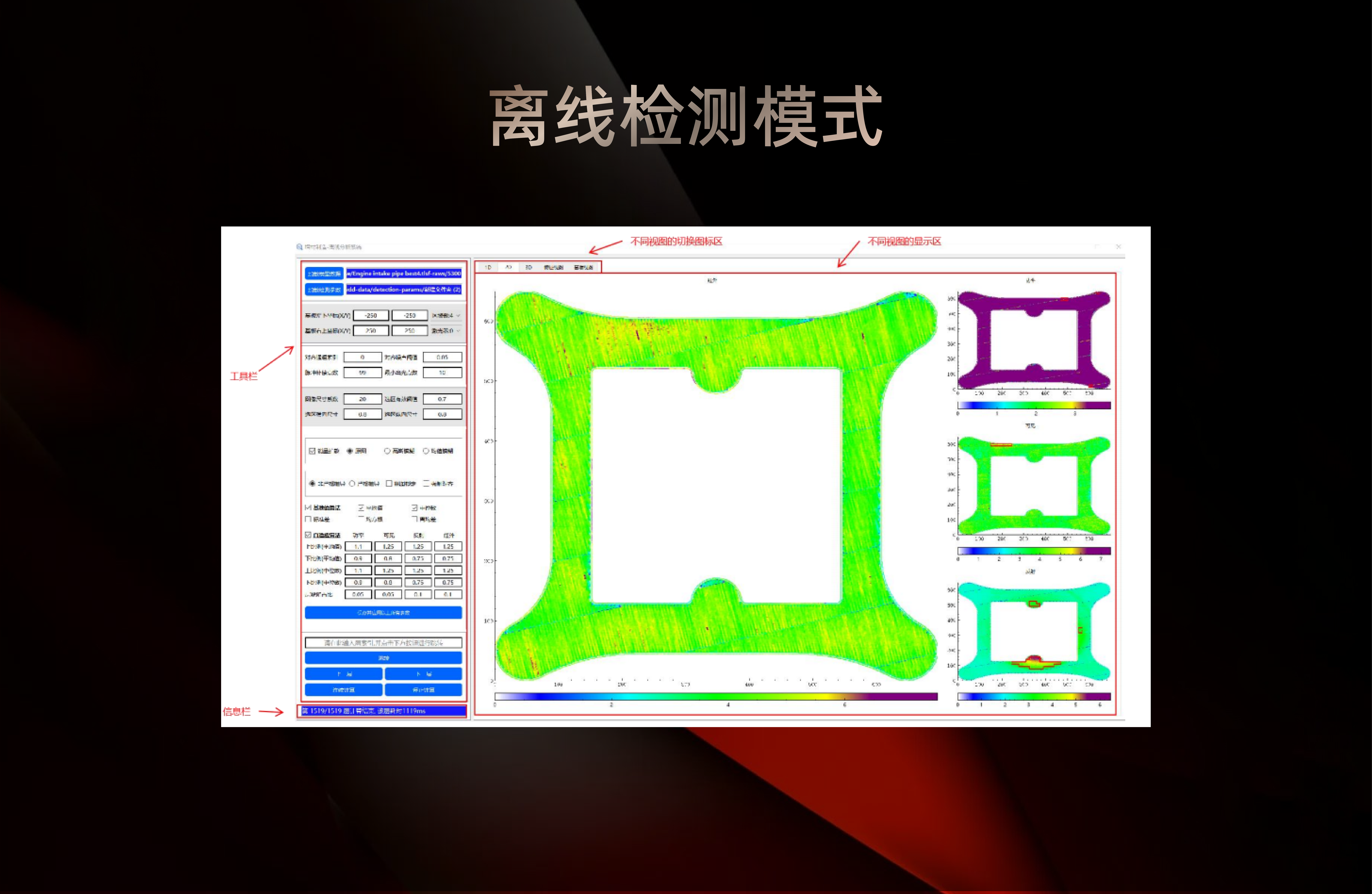
Offline analysis: Conduct precise analysis of historical data to generate quality reports, facilitating users' quality traceability and defect location.
Feature analysis: Conduct an analysis of the mapping relationship between process parameters, molten pool status, and signal features to evaluate the process status.
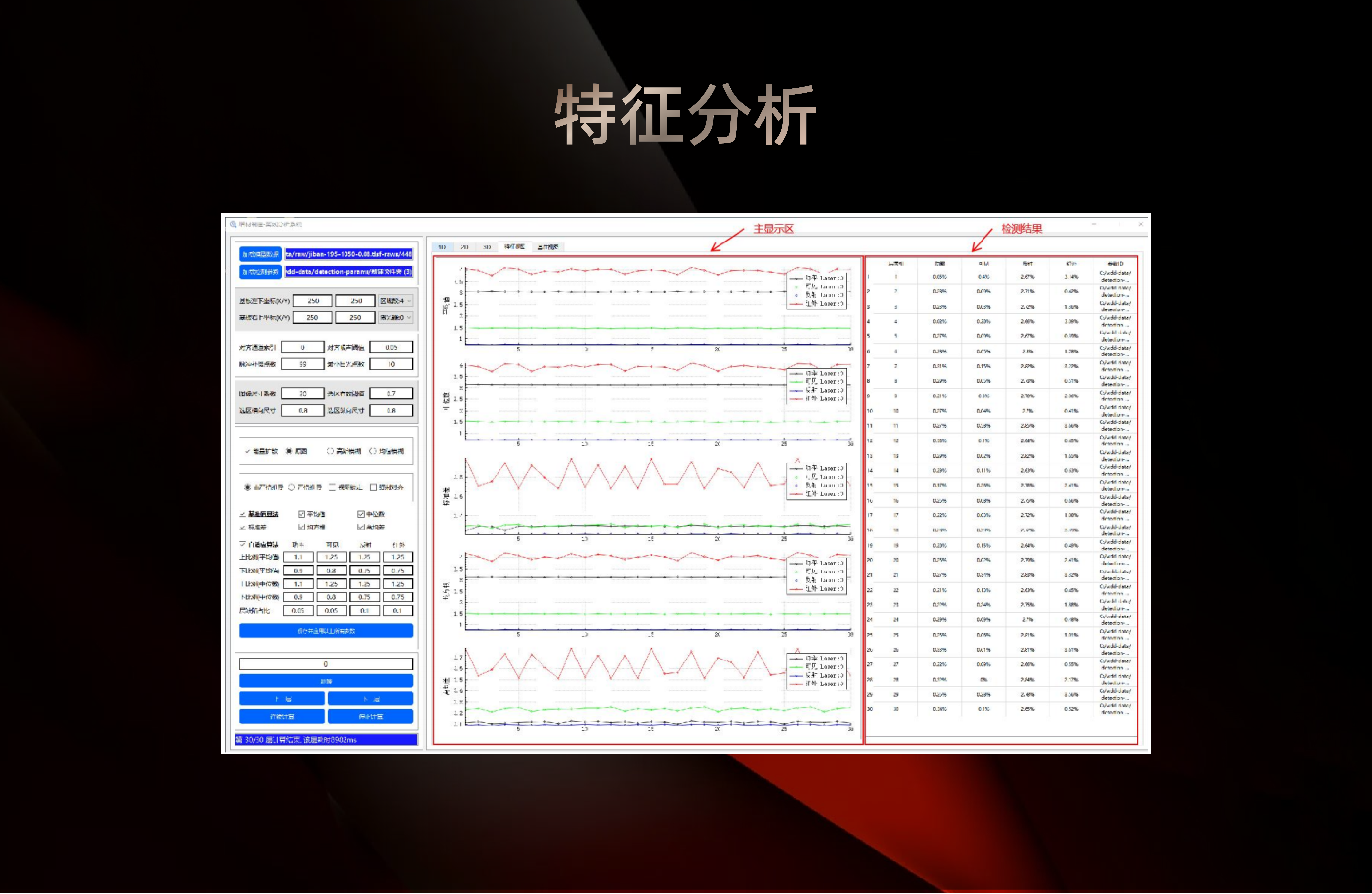
The molten pool monitoring system, on the one hand, can detect in real time whether the molten pool is unstable, and on the other hand, it can serve as a quantitative indicator for optimizing process strategies to ensure the quality and consistency of parts. In addition, real-time monitoring is also the foundation for closed-loop control and intelligence in the metal 3D printing process. This system has been verified through practice. It not only solves the problems of difficult observation and monitoring during the printing process, but also helps to improve process stability and enhance the reliability of printing quality.
The dual systems work in coordination to build a quality protection barrier
The powder bed monitoring system and the melt pool monitoring system jointly form a dual protective barrier for the quality of metal 3D printing. The two systems work in coordination, covering the entire process from "powder spreading - melting - forming".
At present, all LiM-X series laser selective melting equipment can be optionally equipped with these two major systems, providing users with a more efficient and intelligent overall solution for metal 3D printing.
Ten years of hard work, forging ahead with determination. As a significant force in the field of metal additive manufacturing, TSC has gone through a ten-year development journey, from technological breakthroughs to industrial applications, and from single services to full-chain layout. Standing at the starting point of the new decade, we will explore the optimization and upgrading paths of each link in metal 3D printing with more advanced technologies and smarter solutions, providing users with more efficient and intelligent overall solutions for metal 3D printing, and injecting strong impetus into the transformation and upgrading of the manufacturing industry.
