

In the cutting-edge fields such as aerospace, new energy, and high-end electronics, copper and copper alloys have become indispensable core materials for manufacturing key components due to their outstanding thermal conductivity, electrical conductivity, and mechanical properties. However, their high reflectivity and high thermal conductivity also pose severe challenges to 3D printing technology, hindering its large-scale application.
Facing this common problem in the industry, LiM Laser, leveraging its technological advantages and years of experience accumulation, has developed a systematic 3D printing solution specifically for copper and copper alloys. This solution ensures the material's performance while achieving long-term stable formation, laying a solid foundation for industrial application.
In 2025, LiM Laser launched a fine structure printing solution, which can directly form complex and precise components with a wall thickness of ≤ 0.15mm. The surface roughness of the printed products is ≤ Ra 3.2μm, and the printing accuracy is within ± 0.05mm.
Combined with this process solution, relying on the LiM-X260E green laser equipment, pure copper material fine structure printing was successfully achieved:
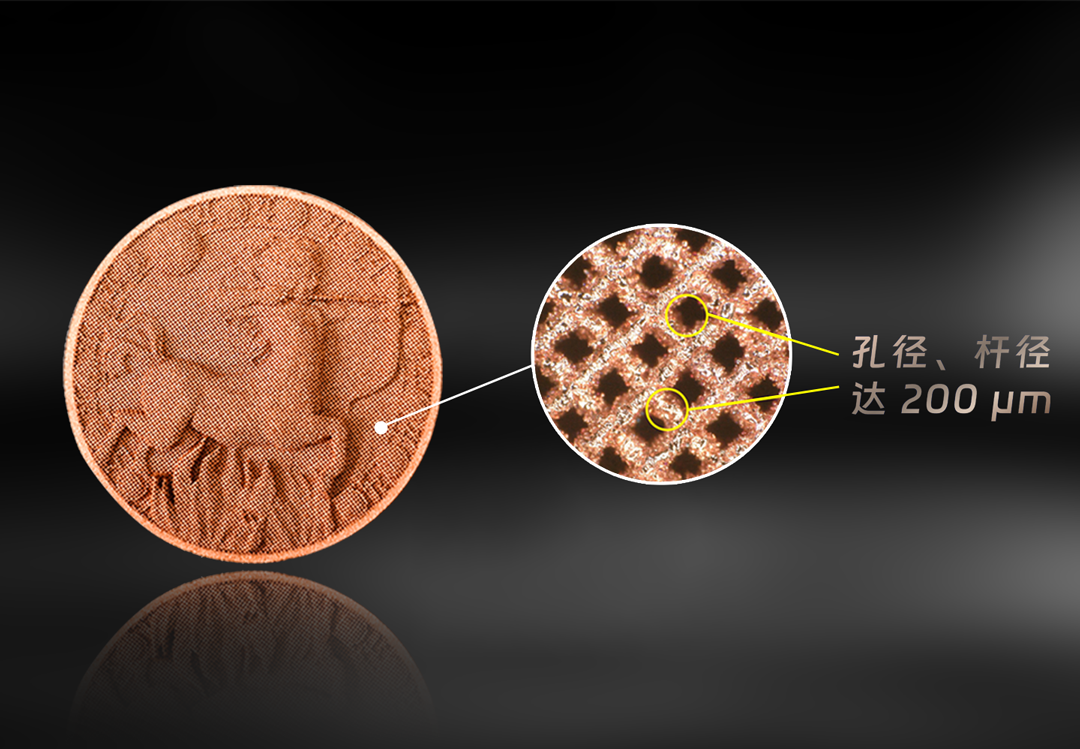
Stable formation of internal hole diameters ≤ 240μm and rod diameters ≤ 230μm of fine porous structures.
Successfully printed pure copper grid specimens with an internal wall thickness of ≤ 0.13mm and thin-walled specimens with a wall thickness of only 0.2mm and a gap of only 0.15mm.
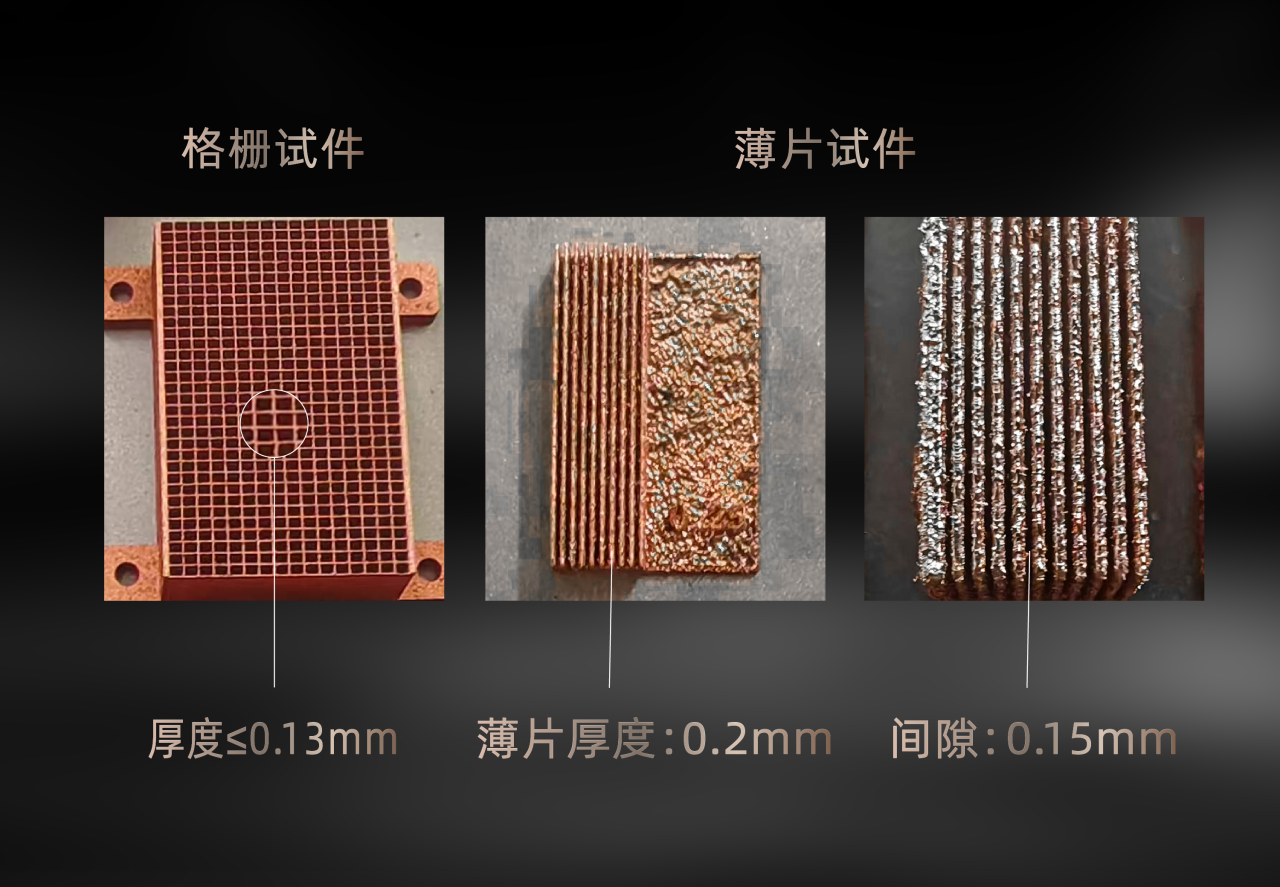
This also provides a solid foundation for the design of complex internal channels and high-density heat dissipation arrays, etc.
In 2024, LiM Laser launched a green laser additive manufacturing solution, successfully achieving 3D printing of pure copper and other high-reflection metal components, with outstanding performance of the printed component materials.
After testing, the annealed pure copper test piece had a conductivity of 94.4% IACS, a thermal conductivity of 368 W/m·K at 25°C, and 341 W/m·K at 500°C, with a porosity controlled below 0.14%, and had both structural stability and wear-resistant and deformation-resistant capabilities.
Combining the exclusive scanning strategy and process parameter system previously established for copper alloy characteristics, pure copper and copper alloy were successfully formed stably. The related technical achievements can be applied to various application fields such as aerospace engine components, heat exchangers, coolers, water-cooled molds, electronic components, and pipe fittings, enabling the upgrade of precision and efficiency in various industries.
In the aerospace field, the LiM-X260E integrated forming pure copper (T2) thrust chamber significantly simplifies the manufacturing process of the thrust chamber compared to traditional methods, effectively reducing subsequent assembly costs and shortening the research and development cycle. The high thermal conductivity of pure copper can quickly disperse thermal stress, reduce the risk of thermal cracks, and is particularly suitable for transient operating conditions.
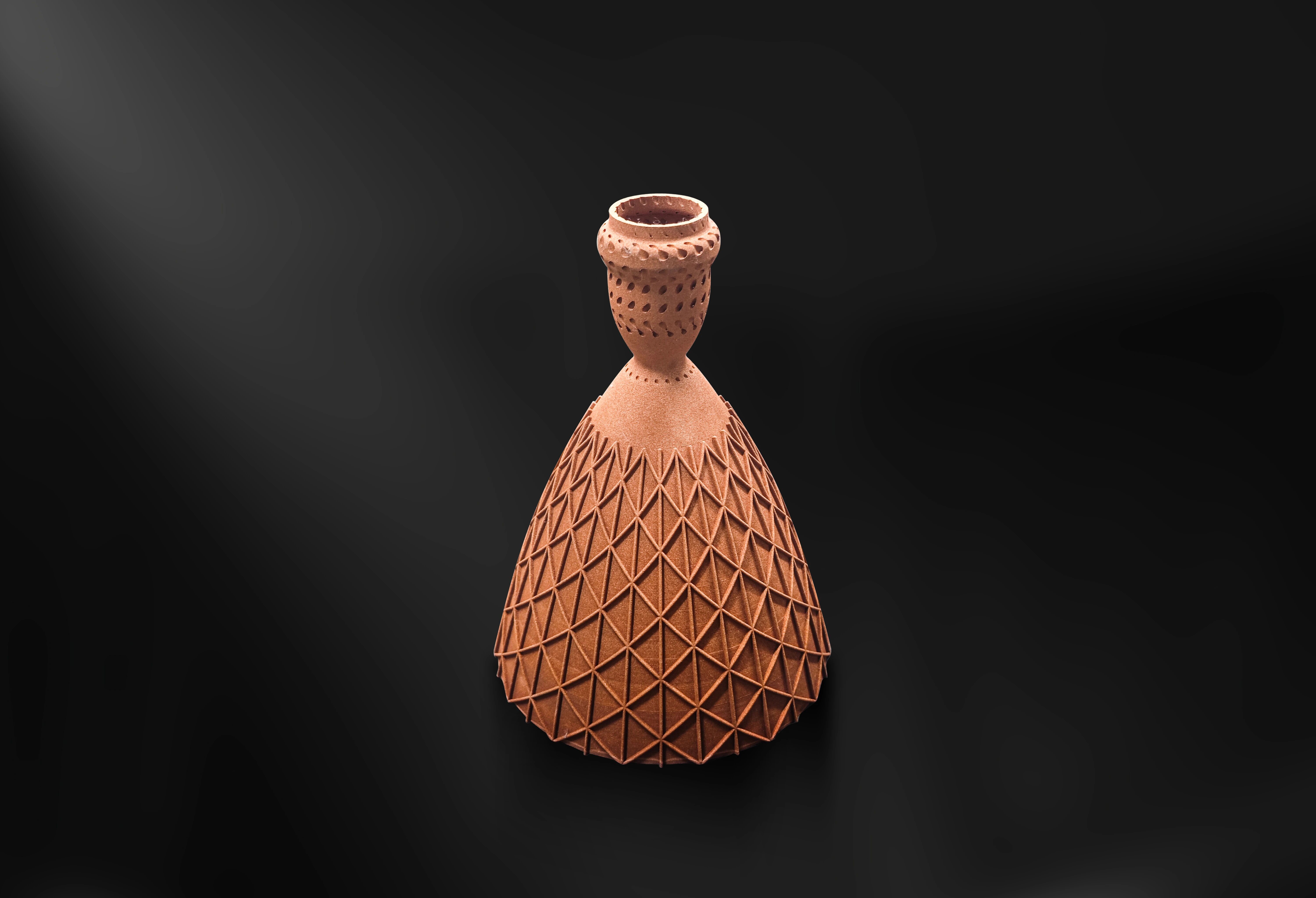
In response to the special requirements of aerospace components for operation under extreme conditions, LiM Laser integrates laser selective melting and laser cladding technologies to successfully print high-performance complex-structured parts for aircraft engine thrust chambers. Using the LiM-X260E equipment, a copper alloy (CuCrZr) core body with complex internal channels and thin-walled structure was prepared, and then the external surface was added with a high-temperature alloy (GH4169) cladding layer by laser cladding technology to achieve surface modification and achieve the integrated gradient additive manufacturing of functional structures of copper alloy and high-temperature alloy, ultimately resulting in a finished product with both high thermal conductivity and high strength.
In the field of thermal management, due to the limitations of mechanical processing technology, traditional heat sinks are mostly designed with simple geometric structures (such as linear fins, flat substrates), requiring multiple components to be welded and assembled, which leads to an increase in thermal resistance and limited heat dissipation performance, unable to meet the increasingly complex usage requirements. Therefore, additive manufacturing is becoming the preferred technology for high-end heat dissipation devices, and copper and copper alloys are its core carriers.
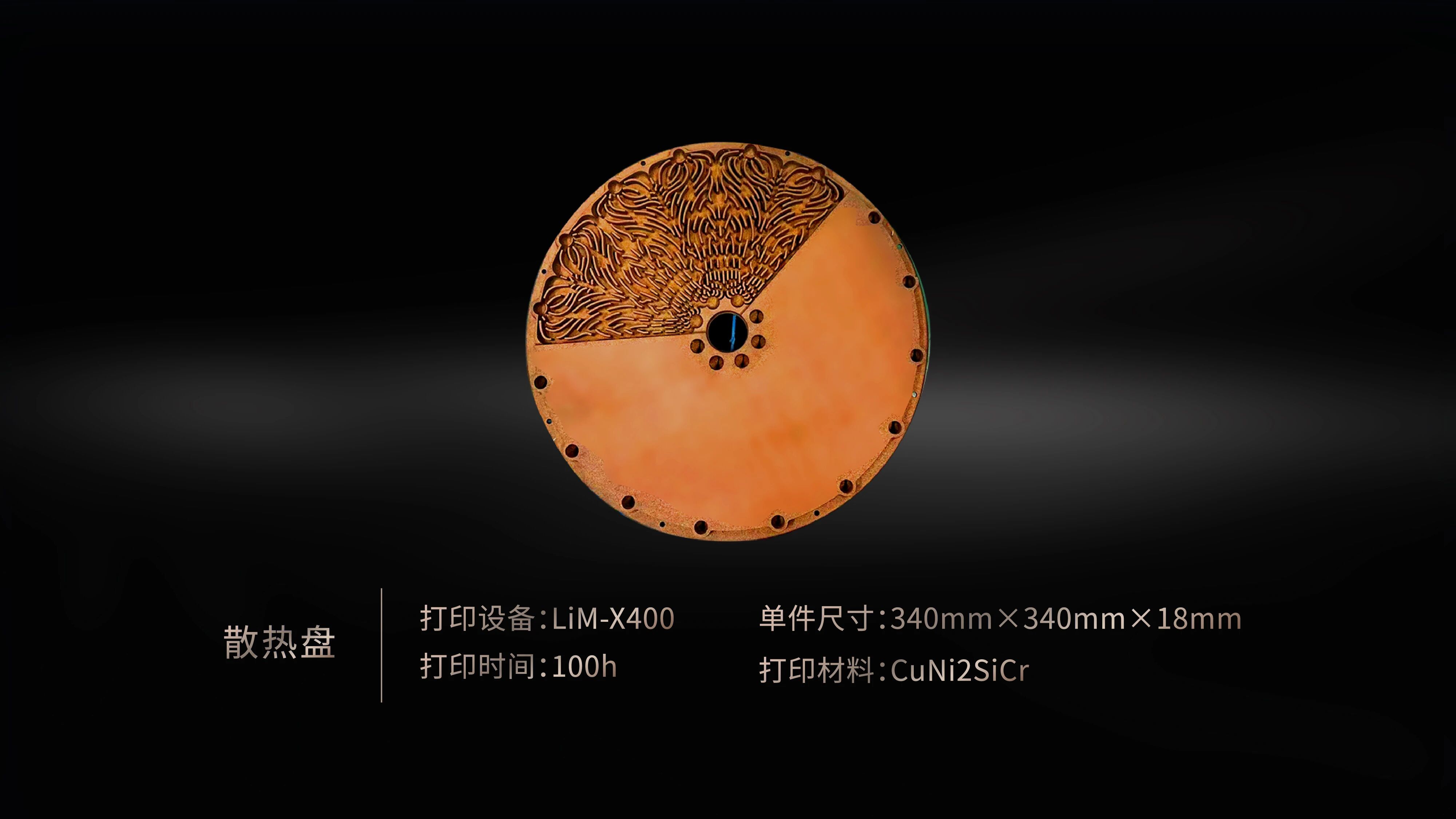
The LiM-X400 directly forms a copper alloy heat sink with complex channels, by optimizing the internal structure and removing redundant materials, effectively reducing interface thermal resistance and improving heat dissipation performance; while ensuring strength and pressure resistance, the weight is also significantly reduced; the design is more flexible, and the thermal path can be adjusted according to the heat source distribution to achieve targeted heat dissipation, without the need for mold opening to simplify manufacturing processes, especially suitable for small batch customization, and shortening the R&D cycle.
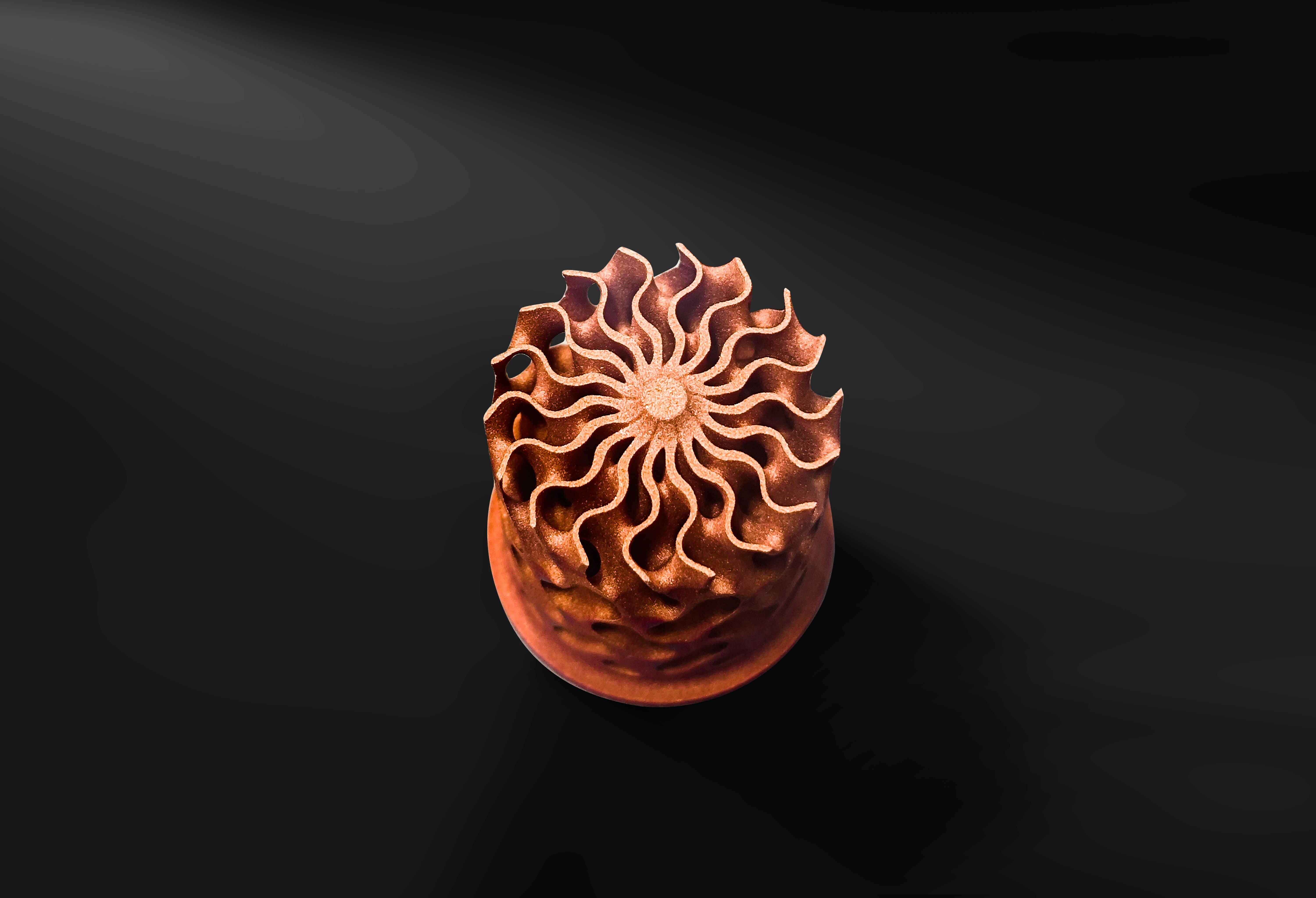
The pure copper heat dissipation fin structure printed by LiM-X260E has a smooth surface. The fin thickness varies gradually from 0.5mm to 1mm. It has a large specific surface area. Combined with the excellent thermal conductivity of pure copper, it can quickly transfer heat from the heat source to the fin surface, resulting in excellent heat dissipation performance.
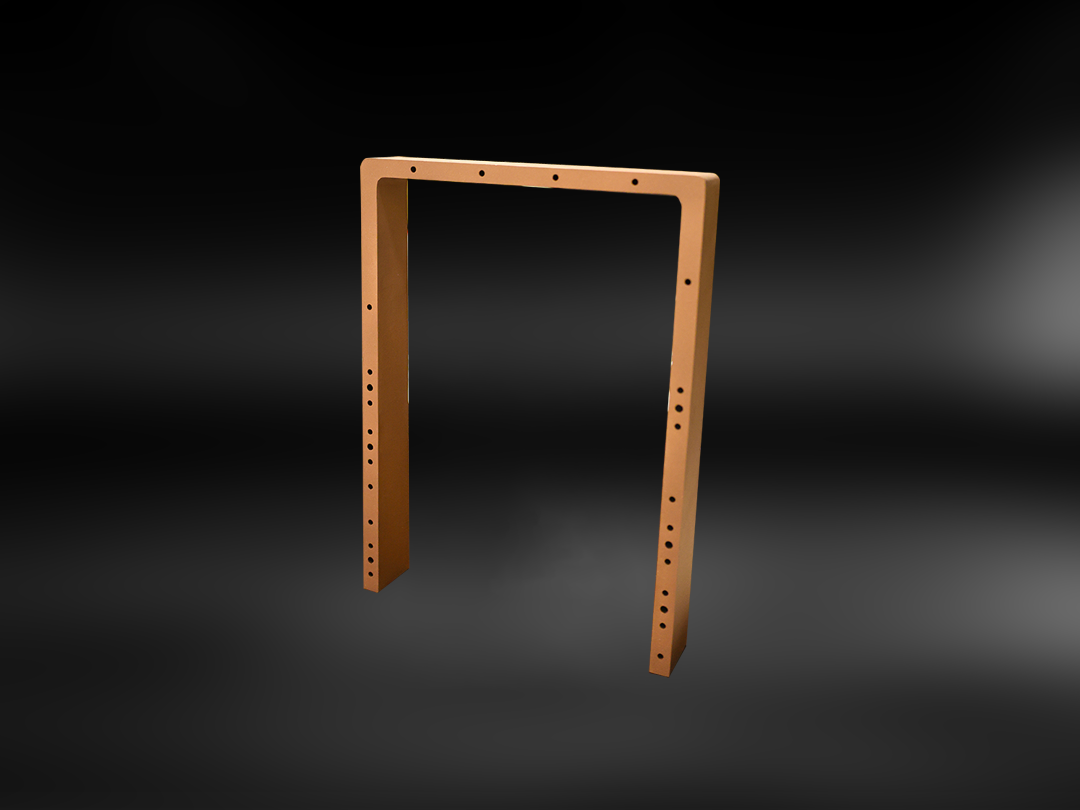
The chromium-zirconium-copper CuZrCr electrode plate support has complex internal flow channels and is 3D printed as a single piece, ensuring high heat dissipation efficiency, reducing assembly requirements, and shortening the overall production cycle.
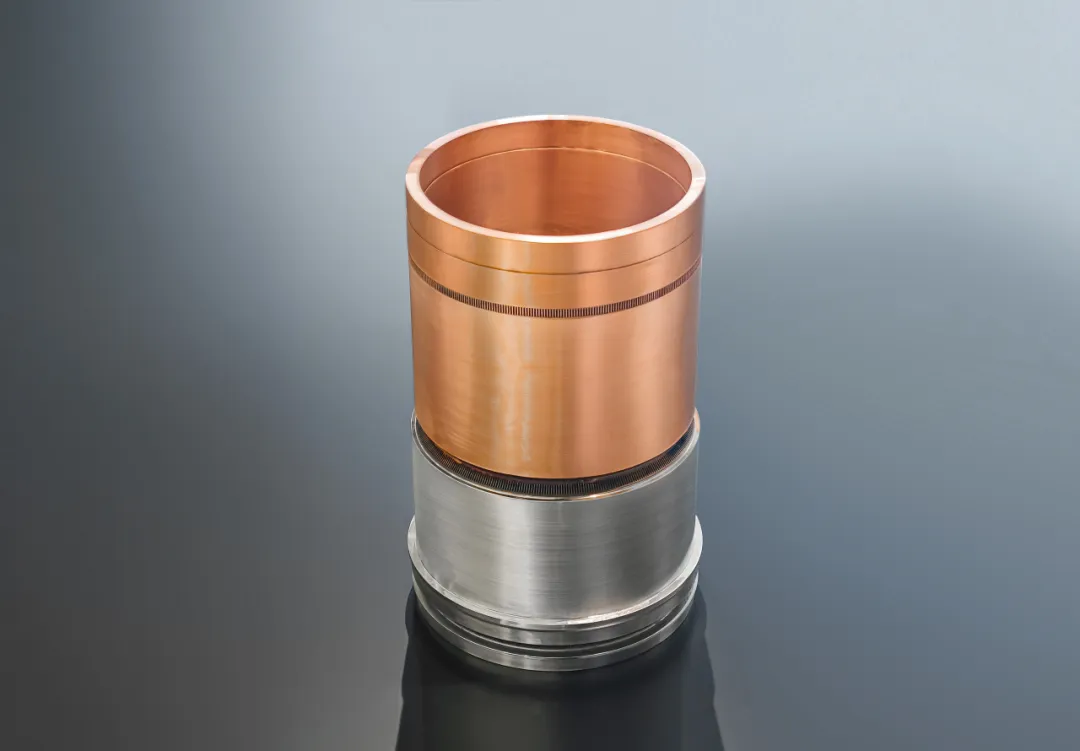
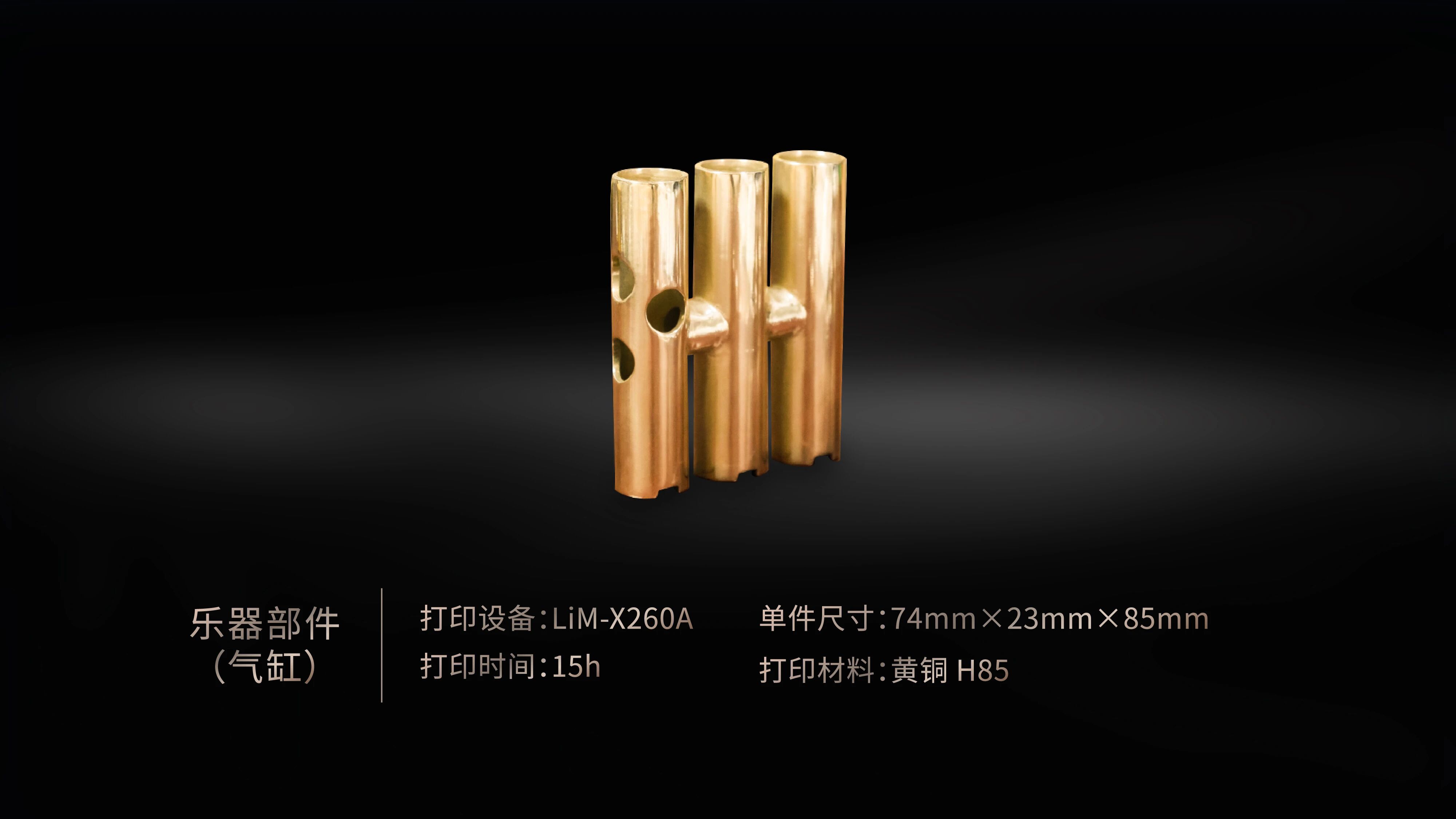
What is more groundbreaking is that LiM Laser has for the first time extended SLM technology to the field of precision instrument manufacturing, successfully printing cylinder components for brass (H85) musical instruments. Copper has high reflectivity, and zinc has a low melting point. The copper-zinc alloy has difficulty in sublimation and forming during printing, and it was successfully formed using the LiM-X260A equipment. The final product has good surface quality and excellent performance. This not only verifies our company's wide adaptability to multi-metal alloy systems, but also opens up new application windows for high-value-added consumer fields.
The LiM-X series metal 3D printing equipment independently developed by LiM Laser, with its full-chain technical advantages, has established a stable and reliable equipment guarantee system for copper and copper alloy forming.
Copper was the first metal in human civilization; nowadays, in the era of intelligent manufacturing, it is returning to the core stage of high-end manufacturing in a new form.
As an advanced enterprise in the metal 3D printing industry, LiM Laser is committed to using mature and stable printing equipment and high-quality processing services to promote metal 3D printing towards industrialization, precision, and high performance, and help the global metal 3D printing industry enter a new stage of development. Especially the printing applications of pure copper and copper alloys bring new high-quality solutions to aerospace, energy and power, automotive manufacturing, mold manufacturing, and consumer electronics fields.
